Many accomplished people have the substance for an O-1, EB-1A or EB-2 NIW but little of it is documented in the way USCIS reads evidence. Profile building is a deliberate plan to add genuine, verifiable recognition where your record is thin, before you file.
What profile building is
Officers look for independent proof that your field recognizes your work. Profile building closes the distance between what you have done and what can be shown.
Officers are experienced at spotting manufactured credentials. Our standard is simple: if a piece of evidence would not hold up to a skeptical reader in your field, it does not go in your petition.
The five levers
Each lever maps to one or more of the criteria for O-1A, O-1B, EB-1A and EB-1B. We focus on the levers that fit your field and your timeline.
Evaluating the work of others shows that your field trusts your judgment. It is one of the most attainable criteria, and one of the most often under-documented.
Supports: judging the work of others
How we help
The criterion asks for material about you and your work in professional, trade or major media. Coverage has to be earned, independent, and about you, not by you.
Supports: published material about you
How we help
Only associations that require outstanding achievement, judged by recognized experts, count. Many professional bodies have a senior or fellow grade that does.
Supports: memberships requiring outstanding achievement
How we help
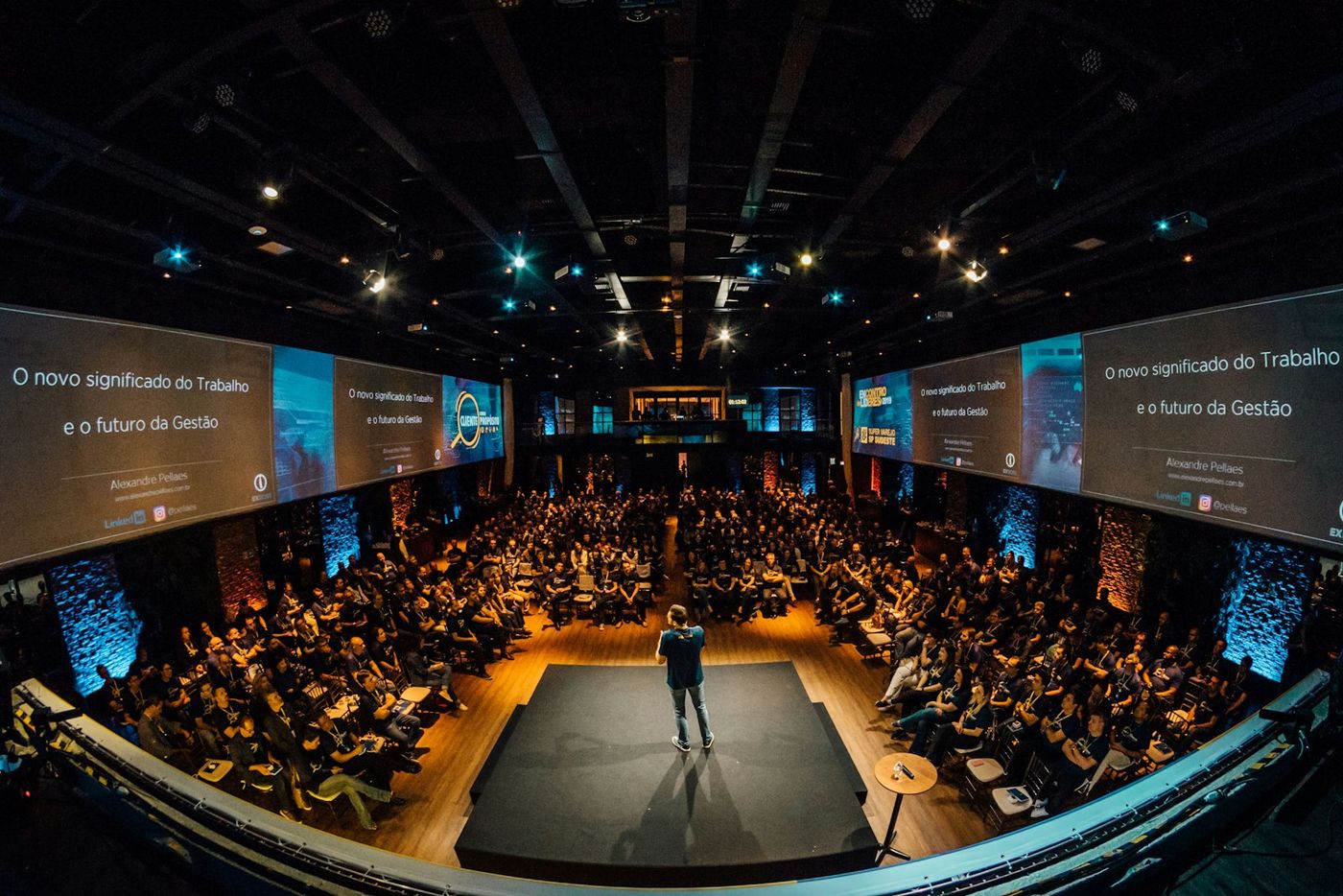
Scholarly articles, industry papers and invited talks show that your ideas shape the field. For founders and engineers, technical writing and conference talks often fill this space.
Supports: scholarly authorship, and the overall picture of standing
How we help
Much of the strongest evidence already exists inside your work: the system you led, the product you shipped, the method others adopted. It simply has not been written down by people outside your team.
Supports: critical role at distinguished organizations, original contributions of major significance
How we help
A 90-day style roadmap
A typical engagement runs in three phases. Timing depends on your field and on third parties such as editors and program committees, so we plan for milestones, not guaranteed outcomes.
Some people need a few weeks of documentation work. Others benefit from a longer runway. We tell you which is true for you during the consultation.
Who it suits
Profile building is most useful when the work is clearly significant but the paper trail has not caught up.
Traction and funding exist, but press, judging and talks have been an afterthought.
Founders and startup execsCritical systems and high salary, but little of it visible outside the organization.
Engineers and techGood papers and growing citations, with few peer review or committee roles yet.
Researchers and scientistsAlready meet the criteria comfortably? You may not need profile building at all. Many clients go straight to evidence and letter preparation.
View all servicesQuestions
If your question is not here, we are happy to cover it on a consultation.
Yes, when the recognition is real. Reviewing papers, speaking at conferences and joining selective associations are normal parts of a professional career. What officers reject is evidence that was bought or manufactured, which is why we do not use it.
Many plans follow a roughly 90-day structure, but timing depends on your starting point and on outside schedules such as editorial calendars and conference cycles. We give you a realistic window after the audit, not a guarantee.
No. Independent editors, committees and associations make their own decisions, and that independence is exactly what gives the evidence weight. We improve your odds with the right targets and strong materials.
It is most relevant to criteria-based petitions: O-1A, O-1B, EB-1A and EB-1B. It can also strengthen the "well positioned" prong of an EB-2 NIW.
It depends on how clearly you meet the criteria today and on your immigration timeline. Some people file an O-1A now and build toward an EB-1A later. We give you an honest read during the consultation, and your partner attorney confirms the legal strategy.
In one consultation we read your evidence against the criteria and tell you whether profile building would help.